Mini Split Installation Cost in New York City: The Complete 2026 Price Breakdown
Here is the full articleIf you have been getting quotes for a mini split installation in New York City and the numbers are not adding up, you are not alone. Prices vary dramatically across the five boroughs – from a few thousand dollars for a basic single-room setup to well over $15,000 for a full whole-home system – and most homeowners have no reference point for what is fair, what is inflated, and what costs can actually be brought down through rebates and incentives.
This guide gives you every number you need. What a mini split installation actually costs in New York City in 2026, what drives those costs up or down, how to size a system correctly, what you should expect from labour and permits, and how to use the current rebate landscape to reduce your out-of-pocket investment significantly.
What Is a Mini Split and Why Are NYC Homeowners Installing Them?
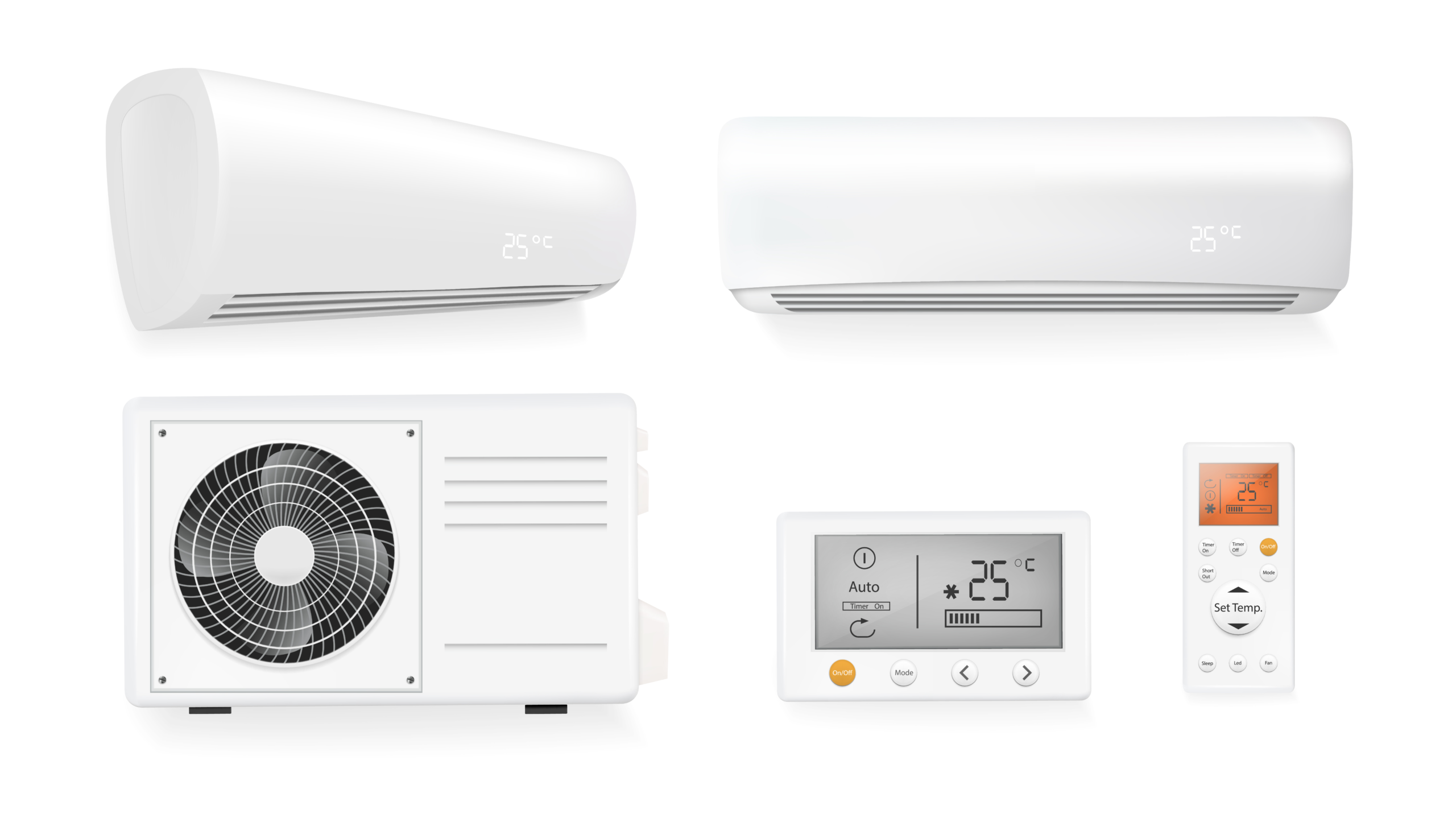
A ductless mini split is a heating and cooling system that consists of an outdoor compressor unit and one or more indoor air handlers connected by refrigerant lines running through a small penetration in an exterior wall. There is no ductwork involved.
For New York City’s housing stock – brownstones, row houses, pre-war co-ops, attached townhouses, and converted multifamily buildings – this is a critical advantage. The vast majority of older NYC homes were built without central air conditioning infrastructure. Installing a ducted system would require opening walls, building chase pathways through floors and ceilings, and a level of structural disruption that most homeowners reasonably want to avoid.
A ductless mini split solves heating and cooling with a single system, avoids all of that disruption, and in heat pump configuration provides year-round comfort from equipment that operates at two to three times the efficiency of conventional resistance heat.
New York’s average electricity rate of 23.4 cents per kWh – above the national average – makes efficiency particularly valuable here. A system that uses one-third less electricity to produce the same heat output saves real money in a market where energy costs are already high.
Mini Split Installation Cost in NYC: The 2026 Numbers
The Overall Range
Mini split installation costs in New York City in 2026 range from $2,300 to $16,100 for residential projects, with the average installation falling at approximately $4,600, according to cost data compiled and published by Texas Temp Masters from Angi, HomeGuide, and Thumbtack sources. That average reflects a mid-range single or dual-zone installation covering the primary living areas of a typical NYC home.
Labour in the Northeast region runs approximately 15 percent above the national average. In New York City specifically, expect to pay between $1,000 and $2,000 in labour alone for a standard single-zone installation, with multi-zone projects scaling higher based on time, complexity, and number of indoor units.
Single-Zone Mini Split Costs
A single-zone system pairs one outdoor compressor with one indoor air handler. This is the right setup for a studio or one-bedroom apartment, a single floor of a townhouse, or an addition where targeted comfort is the goal.
According to HomeGuide’s 2026 installation data, a single-zone mini split costs $2,500 to $6,000 fully installed. Wall-mounted units – the most common and cost-effective indoor configuration – fall between $2,500 and $5,000 per zone with professional installation. For NYC specifically, labour and permitting costs push single-zone projects toward the upper half of that national range.
A basic single-zone system averaging around $3,000 nationally will typically land closer to $3,500 to $4,500 in New York City once local labour rates and permit costs are applied.
Multi-Zone Mini Split Costs
A multi-zone system connects multiple indoor air handlers to a single outdoor compressor. This is the appropriate configuration for full homes, two and three-family brownstones, or any property where multiple rooms or floors need independent climate control.
HomeGuide data for 2026 puts multi-zone systems at $6,500 to $15,000 or more for the full installation. As noted by Angi, each additional indoor unit adds $400 to $1,800 to the project total, and more powerful condensers are required to run more than five indoor units simultaneously, which adds further equipment cost.
For a practical NYC scenario – a three-storey brownstone with three indoor zones covering the parlour floor, bedroom floor, and garden apartment – expect a total installed cost of $9,000 to $13,000 before rebates.
Cost by System Capacity (BTU and Tonnage)
Larger systems cost more. The relationship between BTU capacity and installed cost follows a consistent pattern:
A 1-ton system (12,000 BTU), suitable for approximately 450 to 550 square feet in standard conditions, typically costs $3,500 to $5,000 installed in NYC. A 1.5-ton system (18,000 BTU) covering 700 to 900 square feet runs $4,500 to $6,500 installed. A 2-ton system (24,000 BTU) appropriate for 900 to 1,200 square feet lands between $5,500 and $8,000 installed. Whole-home multi-zone systems in the 3 to 5-ton range covering 1,400 to 2,500 square feet run $9,000 to $15,000 or more depending on zone count and configuration.
Equipment itself typically accounts for roughly one-third to one-half of the total installed cost. The remainder covers labour, materials, permits, and any additional electrical work required.
Getting Quotes for a Mini Split in NYC? Start With a Free Assessment First
Mini split costs in New York City range from $2,300 to over $16,000 - and without the right starting point, most homeowners oversize their system, miss rebates, or end up paying more than they need to. Always On Energy offers a free in-home assessment to calculate your exact sizing, confirm your eligibility for Con Edison and NYSERDA Clean Heat rebates, and help income-qualifying households access up to $24,000 through EmPower+. Visit https://nyserdahomeenergyaudit.com/ to schedule your no-cost assessment, or speak with an advisor directly - by phone or in person.
What Drives Mini Split Installation Costs Up in New York City
Understanding what drives price variation helps you evaluate quotes more critically and avoid paying for scope that does not serve your actual needs.
Number of Zones
This is the single biggest driver of total project cost. Each additional indoor air handler means more equipment, more refrigerant line sets, more electrical wiring, and more labour hours. Be precise about how many zones you actually need. A well-insulated open-plan floor may be adequately served by a single unit, while a broken-up floor plan with separate bedrooms will require individual heads for each room.
Building Access and Line Set Complexity
In a standard detached home, routing refrigerant lines from the indoor unit to the outdoor compressor is straightforward. In a New York City row house or attached brownstone, the outdoor unit often needs to be mounted on a rooftop, rear yard wall, or setback, and the line sets may need to run through multiple floors. Longer and more complex line set runs add both materials and labour cost. Each additional 25 feet of line set adds $200 to $500 to the project.
Indoor Unit Style
Wall-mounted units are the most cost-effective and the most common. Alternatives carry a price premium:
Ceiling cassette units – flush-mounted in the ceiling for a cleaner aesthetic – cost more to install because of the access work required and the structural considerations involved. Floor-mounted units are useful where wall mounting is impractical but add some labour complexity. Concealed ducted units, which sit above a dropped ceiling and distribute air through short duct runs, are the most expensive indoor option and are typically used in high-end renovations where visible wall units are not acceptable.
Electrical Panel Work
Mini splits require a dedicated 240V circuit. In older NYC buildings with 100-amp service panels or limited available breaker slots, an electrical upgrade may be required before installation can proceed. Panel upgrades can cost $2,000 to $5,000 in a New York City context and should be factored into your total project budget before signing a contract.
If your home has adequate panel capacity, a new dedicated circuit for a single-zone system typically costs $500 to $1,500 in additional electrical work.
Permits and Administrative Costs
New York City requires permits for HVAC mechanical work. Budget $250 to $400 for permit fees, as noted by Angi’s 2026 installation data. NYSERDA-participating contractors are familiar with New York’s mechanical permit requirements and should include this in their scope. Always confirm that permits are included before signing any installation contract.
Brand and Equipment Tier
Mini split brands span a wide price range. Tier-1 cold-climate brands – Mitsubishi, Daikin, LG, Fujitsu – carry a premium over entry-level brands but perform better over time in New York winters, carry stronger warranties, and typically qualify for rebate programmes that have specific efficiency thresholds. For a cold-climate market like New York City, investing in a cold-climate rated unit from an established manufacturer is generally the correct decision. The savings from buying a cheaper unit rarely offset the efficiency and durability difference over a 15 to 20 year service life.
Refrigerant Type and New A2L Requirements
Post-2023 regulations have introduced new requirements for low-GWP A2L refrigerants such as R-32 and R-454B in many new mini split models. These refrigerants are mildly flammable and require updated installation practices and certified installers. If you are purchasing a new system in 2026, confirm with your contractor that they are certified for A2L refrigerant handling. This is already a standard requirement for most reputable NYC HVAC contractors but it is worth verifying.
How to Size a Mini Split Correctly for a New York City Home
Getting the system size wrong is one of the most expensive mistakes a homeowner can make. An undersized system will struggle to maintain indoor temperature on cold January days. An oversized system will short-cycle – turning on and off too frequently – which reduces efficiency, increases wear, and results in uneven humidity control.
The Starting Formula
The standard industry starting point is 20 to 25 BTU per square foot of conditioned space. According to GREE Comfort’s technical sizing guide, 20 BTU per square foot is the more frequently used baseline, with adjustments upward for specific conditions.
A 300-square-foot NYC bedroom needs approximately 6,000 to 9,000 BTU. A 500-square-foot living room needs 10,000 to 12,000 BTU. A 900-square-foot open-plan floor needs 18,000 to 24,000 BTU.
NYC-Specific Adjustment Factors
Standard BTU formulas assume average conditions. New York City homes commonly deviate from those assumptions in ways that require upward adjustments:
Poor insulation in pre-war construction is nearly universal. According to GREE’s sizing guidelines, spaces with poor insulation should add approximately 20 percent to the base BTU estimate. Addressing the insulation problem directly – rather than just oversizing the system – is always the better long-term approach. The home insulation service offered by Always On Energy addresses this specifically for NYC properties.
High ceilings, common in older NYC apartments and brownstones, require additional capacity. Add approximately 12.5 percent to the BTU estimate for each additional foot of ceiling height above 8 feet.
Large south-facing windows increase solar heat gain in summer and heat loss in winter. West-facing rooms that receive direct afternoon sun also require upward adjustment.
Air leakage in older buildings without proper air sealing creates continuous heat loss that forces the system to work harder. A professional air sealing treatment before or alongside a mini split installation reduces the effective load on the system and improves comfort throughout the building, not just in conditioned zones.
Why a Manual J Load Calculation Matters
The BTU formulas above give useful planning estimates. Before committing to a system size and purchasing equipment, a legitimate HVAC contractor should perform a Manual J load calculation – a room-by-room analysis of your building’s actual heat loss and gain using software that accounts for construction type, insulation levels, window area, orientation, and local climate data.
Any contractor who gives you a system size quote without performing or referencing a load calculation is guessing. In New York City, where buildings are old, varied, and often poorly documented, that guess is frequently wrong in one direction or the other.
Mini Split Rebates Available to NYC Homeowners in 2026
This is where the cost conversation changes substantially. New York City homeowners have access to one of the most generous heat pump incentive stacks in the country, and the majority of eligible homeowners are not fully using it.
Con Edison Clean Heat Rebate
For the majority of NYC homeowners served by Con Edison, the Clean Heat rebate provides $2,000 to $4,500 on qualifying mini split installations. According to AirSync HVAC’s detailed 2026 rebate breakdown, this rebate is applied as an instant discount at the point of sale – not a mail-in rebate or reimbursement. Your participating contractor applies it directly to your invoice.
The rebate amount depends on system capacity in BTUs, the type of existing heating system being replaced, and whether the project includes full decommissioning of a fossil fuel system. The programme is currently under-enrolled relative to available funding, which means money is available for homeowners who move forward now.
You do not need to pre-apply or receive pre-approval. The contractor handles all documentation after installation is complete.
NYSERDA Clean Heat Programme
Stacked on top of the Con Edison rebate, the NYSERDA Clean Heat programme provides additional incentives for qualifying air source heat pump installations across New York. For market-rate homeowners above 80 percent of Area Median Income, Clean Heat rebates range from $1,000 to $3,000 on top of the utility rebate. Combined with Con Edison, total incentives for a qualifying installation can reach $5,000 to $9,500 or more.
The new Weatherized Tier launched on March 1, 2026 provides enhanced rebate levels – and a cap of 85 percent of total project cost for qualifying participants – for homes that meet minimum insulation and air sealing standards. This is a meaningful incentive to bring your building envelope up to standard before or alongside the heat pump installation.
EmPower+ Programme for Income-Eligible Households
For households at or below 80 percent of Area Median Income, the EmPower+ pathway replaces the standard Clean Heat rebate and provides significantly higher incentives – up to $24,000 for qualifying heat pump installations. The full breakdown of EmPower+ income thresholds and how to qualify is detailed in a dedicated guide on this site.
EmPower+ and NYS Clean Heat cannot be stacked for the same installed measure. Income-qualifying households should always choose the EmPower+ pathway, as the ceiling is dramatically higher.
A Note on Federal Credits in 2026
The IRA Section 25C non-refundable federal tax credit for heat pumps expired on December 31, 2025. It is not available for systems installed in 2026. All financial planning for NYC mini split installations this year should be built entirely around state and utility incentives.
What the Net Cost Looks Like After Rebates
For a market-rate NYC homeowner installing a two-zone mini split system:
Installed cost before incentives: approximately $7,000 to $9,000. Con Edison Clean Heat rebate: $2,500 to $4,500. NYSERDA Clean Heat rebate: $1,000 to $3,000. Net out-of-pocket cost: $1,500 to $5,500 depending on system specifics and utility territory.
For income-qualifying homeowners using the EmPower+ pathway, the net cost can approach zero for qualifying projects.
To understand exactly which rebates apply to your home and what your total eligibility is, the right first step is a free NYSERDA home energy audit. The audit process identifies your home’s current energy performance, establishes your rebate eligibility across all programmes, and produces the documentation that certified contractors need to apply those incentives to your installation project.
Getting Quotes for a Mini Split in NYC? Start With a Free Assessment First
Mini split costs in New York City range from $2,300 to over $16,000 - and without the right starting point, most homeowners oversize their system, miss rebates, or end up paying more than they need to. Always On Energy offers a free in-home assessment to calculate your exact sizing, confirm your eligibility for Con Edison and NYSERDA Clean Heat rebates, and help income-qualifying households access up to $24,000 through EmPower+. Visit https://nyserdahomeenergyaudit.com/ to schedule your no-cost assessment, or speak with an advisor directly - by phone or in person.
How to Evaluate Mini Split Quotes in NYC
Getting multiple quotes is standard advice, but knowing how to read and compare those quotes is the more useful skill.
What a Good Quote Should Include
A complete mini split installation quote from a reputable NYC contractor should itemise: equipment cost by outdoor and indoor unit, line set materials and installation, electrical work including the dedicated circuit, permit fees, labour, and any rebates applied as line-item discounts. If a quote provides a single total number without breaking down these components, ask for itemisation before proceeding.
Red Flags to Watch For
Any contractor who provides a system size recommendation without performing or referencing a load calculation is guessing. Any quote that does not mention permits is either leaving that cost off the paper or planning to work without permits, which creates liability issues and can affect your rebate eligibility. Any contractor not enrolled in the Con Edison and NYSERDA Clean Heat programmes as a participating installer cannot apply incentives to your project.
According to advice compiled by Texas Temp Masters, always get two to three written estimates from licensed contractors, verify the contractor’s New York licence, and ask specifically for references from recent jobs in buildings similar to yours.
The Lowest Quote Is Not Always the Right Quote
NYC mini split installation is one of those categories where the cheapest option regularly proves expensive over time. An undersized system selected to reduce equipment cost, a poorly executed line set run that develops a refrigerant leak, or a non-participating contractor who cannot process your rebates are all outcomes that cost more to correct than the initial saving was worth. Prioritise correct sizing, rebate participation, and demonstrated local experience over the lowest number on the page.
Beyond the Mini Split: The Full Picture for NYC Home Efficiency
A mini split installation is often the most visible part of a home energy upgrade, but it works best as part of a coordinated improvement strategy rather than a standalone swap.
Homes with significant air leakage lose a large proportion of the conditioned air that any heating or cooling system produces. Pairing a mini split installation with professional air sealing reduces the thermal load on the new system, improves comfort in unconditioned areas of the building, and can reduce the system size required – which directly reduces equipment cost.
For homeowners also considering replacing a gas or electric water heater, a heat pump water heater installation alongside a space-heating mini split maximises total rebate eligibility and effectively decarbonises the home’s two largest energy end uses in a single project phase.
The NYC home insulation cost breakdown for 2026 covers what envelope improvements typically cost across the boroughs and what rebates apply to each measure, which is useful context if you are thinking about a bundled upgrade.
Final Thoughts
Mini split installation costs in New York City in 2026 range from $2,300 for a basic single-zone project to $16,000 or more for a full whole-home multi-zone system. The average project with standard sizing and moderate complexity lands around $4,600 before incentives.
After applying Con Edison and NYSERDA Clean Heat rebates, most market-rate homeowners are looking at a net cost of $1,500 to $5,500 for a properly installed, correctly sized system. Income-qualifying homeowners through the EmPower+ pathway can reduce that net cost to near zero.
The key variables that determine where your project falls in that range are the number of zones, your building’s current insulation and air leakage condition, the complexity of outdoor unit placement and line set routing, and whether your electrical panel needs upgrading. Start with a free home energy assessment to get precise answers to all of those questions before committing to any equipment purchase.