How to Get a Mini Split Almost for Free in NYC (2026 Rebate Guide)
Picture this: your heating bill comes in for January. You are running electric baseboard heat, or an old oil boiler, and the number on the bill makes you wince. You have looked at mini splits – you know they heat and cool, you know they are efficient – but the installation quote came in at $8,000 and you put it in the drawer.
Here is what you probably did not know: a good chunk of that $8,000 may already be covered. Con Edison is actively rebating mini split installations in NYC. NYSERDA has programmes that can bring eligible households to zero out of pocket. And for 2026, the income thresholds just got higher – meaning more households qualify than before.
This guide walks you through every rebate available for mini split heat pumps in New York City in 2026 – with the actual numbers, the rules that changed at the start of this year, and the exact steps to claim what you are entitled to.
First – What Counts as a Mini Split for Rebate Purposes?
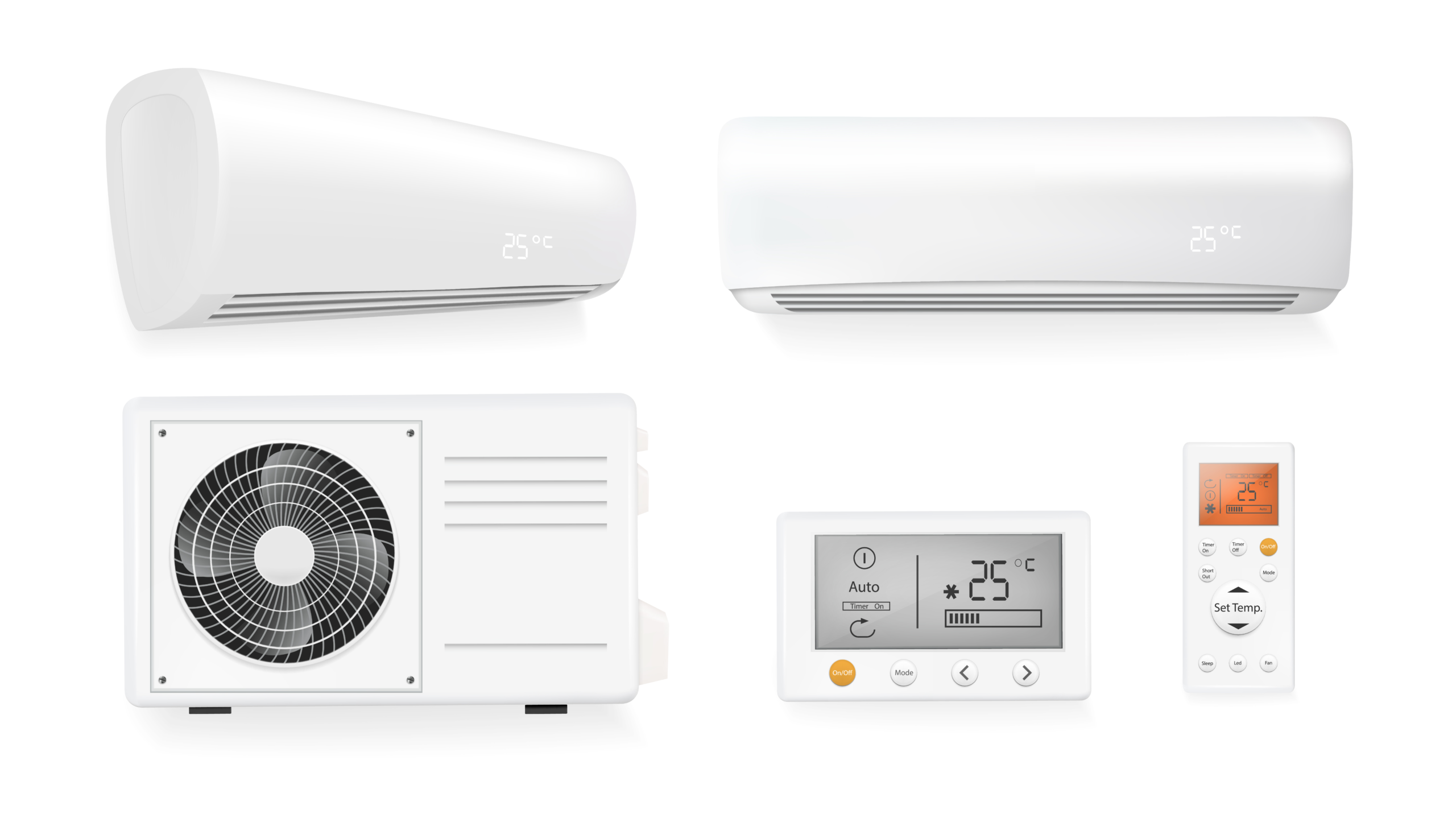
Not all wall-mounted AC units qualify for these rebates. The programmes specifically fund heat pump systems – meaning a unit that provides both heating and cooling using the same refrigerant cycle. The technical term is air-source heat pump (ASHP) in ductless or mini-split configuration.
The good news: most modern mini split systems sold today are heat pumps by default. Brands like Mitsubishi, Fujitsu, Daikin, LG, and Gree all manufacture cold-climate heat pump mini splits that qualify. What does not qualify is a cooling-only split system or a standard window air conditioner.
For NYC rebate purposes, the system also needs to be a cold-climate rated model – meaning it maintains heating output at outdoor temperatures as low as -13 to -22 degrees Fahrenheit. This matters because Con Edison’s programme specifically requires cold-climate specification, and NYSERDA uses the same standard.
Quick Tip: Ask any contractor for the system’s NEEP cold-climate ASHP listing before committing. If the model appears on the Northeast Energy Efficiency Partnerships (NEEP) cold-climate ASHP database, it qualifies. Any enrolled Con Edison contractor will know this automatically.
Get a Mini Split Heat Pump Installed for as Little as $0 in NYC
Con Edison Clean Heat rebates of $2,000-$12,000 plus NYSERDA EmPower+ coverage mean most NYC households pay a fraction of the installation cost - and income-eligible households may pay nothing at all. In 2026, the low-income threshold for NYC households has increased significantly, with a two-person household now qualifying at up to $77,760. If you receive HEAP, SNAP, TANF, or SSI, you auto-qualify with no income paperwork. Our NYSERDA-approved team handles the free home energy assessment, programme applications, pre-inspection, and installation - in the right order so you never lose your rebate. Call us to find out exactly what your home qualifies for.
The Three Funding Sources Available to NYC Homeowners in 2026
Mini split rebates in New York City come from three separate sources. Understanding which one applies to you – and how they interact – is the most important step before you get quotes.
1. Con Edison Clean Heat – The Main Rebate Programme
Con Edison runs its rebate programme for heat pumps through the NYS Clean Heat platform, a partnership between NYSERDA and New York’s major utilities. This is the primary source of rebate money for NYC homeowners, and it is the one that comes off your invoice at the time of installation – no waiting for a cheque.
What you can get:
- Partial-home or single-zone install (replacing one heat source): $2,000 to $4,500, depending on system size
- Whole-home install (full multi-zone system replacing your primary heat source): up to $12,000 in combined rebates
- Fossil fuel decommissioning bonus: an additional $4,000 if you fully remove or disable your existing oil, gas, or propane heating system
The rebate is calculated based on the heating capacity offset of the system – essentially how much fossil fuel load you are replacing with electric heat pump capacity. Larger systems that replace more heating load get larger rebates. A participating contractor calculates this as part of the application.
2026 Change: Starting January 1, 2026, full-load heat pump projects that are replacing an existing full-load heat pump system are no longer eligible for Clean Heat rebates. This rule applies across Con Edison and NYSEG. If you already have a heat pump and are upgrading it, check with your contractor on current eligibility before proceeding.
2. NYSERDA EmPower+ – For Income-Eligible Households
EmPower+ is a separate NYSERDA programme that covers far more than just the heat pump – it funds a whole-home energy improvement package for households that meet the income requirements. For qualifying households, it can be the difference between a subsidised installation and a free one.
The 2026 income thresholds use whichever is higher between 60% of State Median Income and 60% of Area Median Income. This matters a great deal in NYC, where AMI is significantly higher than SMI. A recent City Limits report confirmed this change took effect this year.
Example: In New York City, the low-income tier threshold for a two-person household is now up to $77,760 under AMI – compared to around $52,140 under the old SMI-only rule. Many households that were previously excluded now qualify.
What EmPower+ covers for heat pump installs:
- Low-income tier (at or below 60% AMI/SMI): up to 100% of project cost. Base project cap of $10,000 for single-family homes, with HEAR programme funding raising effective support to $14,000 or more
- Moderate-income tier (60% to 80% AMI/SMI): up to 50% of project cost, capped at $5,000 for a single-family home
- Auto-qualification: if anyone in your household receives HEAP, SNAP, TANF, or SSI, you qualify automatically with no separate income documentation needed
EmPower+ is not a standalone heat pump rebate – it funds improvements identified during a free home energy assessment. The certified contractor assesses your home, recommends the right improvements (which typically include the heat pump alongside insulation and air sealing), and submits the project for approval. The assessment itself is free.
3. NYSERDA Financing – For Any Remaining Balance
After rebates, if there is still a gap between what the programmes cover and the total project cost, NYSERDA offers low-interest financing through the Green Jobs Green New York (GJGNY) programme.
- Loan amounts: $1,500 to $25,000
- Terms: 5, 10, or 15 years
- Interest rates: from 3.49% for lower-income households paying by auto-payment, up to 7.49% for upper-income households
This is particularly useful for whole-home installs where the project cost exceeds what rebates alone cover. The monthly payment is structured to be lower than or equal to the estimated average monthly energy savings – so in practice, many households are cash-neutral or ahead from day one.
What Changed in 2026 That You Need to Know
A lot of articles about mini split rebates in NYC are using 2024 or 2025 data. Here is exactly what is different this year:
| What | Before 2026 | In 2026 |
|---|---|---|
| Federal 25C tax credit | Up to $2,000 for qualifying heat pump installations | EXPIRED. Not available for 2026 installations. Ended Dec 31, 2025 under OBBBA. |
| EmPower+ low-income threshold (NYC) | 60% of State Median Income only – excluded many NYC households | 60% of AMI OR SMI, whichever is greater. NYC thresholds now significantly higher. |
| Full-load heat pump to heat pump replacements | Eligible for Clean Heat rebates | No longer eligible as of January 1, 2026. |
| EmPower+ programme scale | 22,000 households/year served in 2024-2025 | $120M allocated for 2026, plus $445.5M approved by PSC over next 5 years. Largest budget ever. |
Get a Mini Split Heat Pump Installed for as Little as $0 in NYC
Con Edison Clean Heat rebates of $2,000-$12,000 plus NYSERDA EmPower+ coverage mean most NYC households pay a fraction of the installation cost - and income-eligible households may pay nothing at all. In 2026, the low-income threshold for NYC households has increased significantly, with a two-person household now qualifying at up to $77,760. If you receive HEAP, SNAP, TANF, or SSI, you auto-qualify with no income paperwork. Our NYSERDA-approved team handles the free home energy assessment, programme applications, pre-inspection, and installation - in the right order so you never lose your rebate. Call us to find out exactly what your home qualifies for.
What Does the Real Cost Look Like After Rebates?
Here are two realistic scenarios to show how the programmes stack in practice.
Scenario A – Moderate-Income Household, Partial-Home Install
A family of four in Brooklyn earning $90,000 wants to replace two window ACs and electric baseboard heat in the living room and master bedroom with a two-zone mini split system. Estimated installation cost: $7,500.
- Con Edison Clean Heat rebate (partial-home): approximately $3,000
- NYSERDA Clean Heat additional rebate: approximately $1,000
- Net cost before financing: approximately $3,500
- Federal 25C credit: $0 – expired December 31, 2025
- Optional NYSERDA financing on remaining $3,500: approximately $50 to $70/month over 5 years at current rates
Scenario B – Low-Income Household, Whole-Home Conversion
A single mother with two children in a three-bedroom home in the Bronx, household income $58,000, currently heating with oil. She qualifies for EmPower+ Tier 1 under the 2026 AMI-based threshold. Estimated whole-home mini split installation: $16,000.
- NYSERDA EmPower+ Tier 1 (up to 100% coverage, capped): approximately $14,000
- Con Edison Clean Heat rebate (stackable): up to $12,000 – but combined programmes are capped to avoid over-reimbursement, so participating contractor determines the final stack
- Net cost after rebates: potentially $0 to $2,000 on a qualifying project
- NYSERDA financing for any residual balance: available at 3.49% for her income tier
Note: Exact rebate amounts vary by system size, project scope, and current programme terms. These scenarios are illustrative. A participating contractor will give you the precise numbers for your specific home.
The Step-by-Step Process to Claim Your Mini Split Rebate
The number one mistake NYC homeowners make is booking an HVAC contractor who is not enrolled in these programmes. If you do that, you cannot retroactively claim the rebates. The process has to happen in the right order.
- Step 1 – Check your income against the EmPower+ thresholds. If your household earns below 80% of the AMI/SMI for your county and household size, you likely qualify for at least the moderate-income tier. Income-eligible households should go through the EmPower+ route first.
- Step 2 – If income-eligible, schedule your free home energy assessment. Contact a NYSERDA-approved contractor (or reach us at 929-232-1130) to book a no-cost assessment. The assessor identifies what your home needs and what the programme will cover.
- Step 3 – For non-income-eligible households, find a Con Edison Clean Heat participating contractor. Confirm they are enrolled before discussing scope or pricing. Ask specifically if they submit Con Edison Clean Heat applications. Any reputable installer in this space will be enrolled.
- Step 4 – Get a quote showing the rebate deducted. Your net cost – what you actually pay – should be stated clearly in the proposal. If a contractor is not showing you the rebate itemised in the quote, ask for it explicitly.
- Step 5 – Do not start work until the pre-inspection is done. Con Edison requires a pre-installation site inspection to document existing heating equipment. Work completed before this inspection does not qualify for rebates. This is the rule that catches people out most often.
- Step 6 – Wait for the Notice to Proceed. Con Edison issues a Preliminary Incentive Offer Letter confirming the rebate amount. Only once you have this should you sign off on installation.
- Step 7 – Installation and post-inspection. The contractor installs the system. Con Edison conducts a post-inspection to verify the work. The rebate is applied to your invoice – you pay the net amount only.
Why Your Mini Split Will Perform Better If You Do This First
A mini split in a well-insulated, air-sealed home is a different product than the same mini split in a draughty, poorly insulated one. The system runs fewer hours to hit your target temperature, uses less energy doing it, and lasts longer because it is not cycling constantly to compensate for heat loss.
The NY Weatherization Program exists specifically to address this. The programme – which has served over 744,000 New York households since 1977 – covers attic and wall insulation, air sealing of gaps, cracks, and ducts, indoor air quality improvements, and heating system upgrades.
For income-eligible households, weatherisation and mini split installation can be funded through the same EmPower+ application – the programme treats it as a single whole-home improvement project. That is the most cost-effective approach available: fix the building envelope and replace the heating system in one go, with the programme covering both.
For households that do not qualify for EmPower+ income tiers, the weatherisation work still stacks with Con Edison and NYSERDA Clean Heat rebates on the heat pump side. Do the home energy assessment first – it tells you exactly what is worth doing and in what order, with no cost and no obligation.
Quick Tip: Insulation and air sealing done before a mini split install often allow you to right-size the system smaller – which means a lower installation cost and a larger slice of what you spend being covered by rebates.
Get a Mini Split Heat Pump Installed for as Little as $0 in NYC
Con Edison Clean Heat rebates of $2,000-$12,000 plus NYSERDA EmPower+ coverage mean most NYC households pay a fraction of the installation cost - and income-eligible households may pay nothing at all. In 2026, the low-income threshold for NYC households has increased significantly, with a two-person household now qualifying at up to $77,760. If you receive HEAP, SNAP, TANF, or SSI, you auto-qualify with no income paperwork. Our NYSERDA-approved team handles the free home energy assessment, programme applications, pre-inspection, and installation - in the right order so you never lose your rebate. Call us to find out exactly what your home qualifies for.
Common Questions About Mini Split Rebates in NYC
I rent my apartment. Can I still get a mini split rebate?
EmPower+ is open to both owners and renters of 1- to 4-unit buildings. For any upgrade that requires physical changes to the building, landlord consent is required. NYSERDA actively tries to serve renters and works with landlords to facilitate approvals. For 2- to 4-family buildings, if at least 50% of units are income-eligible, the entire building qualifies.
Does my existing system have to be oil or gas to qualify?
Not always – but it affects the rebate amount. Households replacing oil, gas, or propane heating with a heat pump get the highest rebates, including the $4,000 fossil fuel decommissioning bonus through Con Edison. Households replacing electric resistance heat (baseboard heaters) or adding a mini split where there was none before can still qualify, but at the standard rebate rate rather than the enhanced replacement rate.
What if I already have a heat pump – can I upgrade it?
As of January 1, 2026, full-load heat pump replacements (swapping one heat pump for another) are no longer eligible for Clean Heat rebates under the Con Edison programme. Partial upgrades or adding zones to an existing system may still qualify. Check with a participating contractor for your specific situation.
How long does the rebate process take?
The pre-inspection and Notice to Proceed typically take one to two weeks after the contractor submits the application. Installation is then scheduled. Post-inspection follows. The entire process from first contact to completed installation typically runs four to eight weeks depending on the contractor’s schedule and programme workload.
Is there a waitlist?
Con Edison Clean Heat rebates are funded and active as of March 2026. NYSERDA’s EmPower+ programme has $120 million allocated for 2026, the largest budget in the programme’s history. Funding can be limited in any given programme year, so applying sooner rather than later is sensible – but there is no current reported backlog.
The Short Version: Here Is What to Do Next
Mini split rebates in NYC in 2026 are real, they are substantial, and they are accessible to a wider range of households than they were last year. The federal tax credit is gone, but the state and utility programmes are better funded than ever.
What has not changed: the pre-inspection requirement is non-negotiable, you must use an enrolled contractor, and the process has to happen in order. Skipping any of those steps means losing the rebate.
The single best starting point for any household is a free home energy assessment. It identifies exactly what your home qualifies for, whether through the Con Edison Clean Heat route or EmPower+, and gives you a clear picture of your net cost before you commit to anything.
To book yours, visit nyweatherizationprogram.com or call 929-232-1130. We cover insulation, air sealing, heat pump water heaters, and indoor air quality improvements – and we help you access every rebate programme your home qualifies for.
Sources
- Con Edison / NYS Clean Heat Programme – cleanheat.ny.gov and Vinco Mechanical programme reference (2026)
- Meltek – Con Edison Rebate Programmes 2026 (published March 2026)
- Rewiring America / Elephant Energy – Section 25C expiry confirmed February 2026
- Nuwatt Energy / VivaVolt – Heat Pump Tax Credits and Rebates in 2026 (February 2026)
- NYSERDA EmPower+ programme – nyserda.ny.gov (2026 AMI/SMI eligibility expansion)
- City Limits – More NYC Households to Qualify for Energy Efficiency Upgrades Under Tweaked State Programme (March 2026)
- NYSEG – NYS Clean Heat Rebate Programme January 2026 rule changes (full-load to full-load ineligibility)
- NY Weatherization Assistance Programme – nyweatherizationprogram.com (WAP household data)